

Serving The Colony, Frisco, Plano, Lewisville, and Carrollton, TX
Changes in breathing during sleep can affect sleep quality and may sometimes point to a sleep-related breathing disorder. Frequent loud snoring, witnessed pauses in breathing, nighttime gasping, or persistent daytime sleepiness are among the concerns that may warrant further evaluation.
At Main Dentistry, a sleep and breathing screening helps identify symptoms and oral or craniofacial factors that may be associated with obstructive sleep apnea (OSA) risk.
A dental screening does not diagnose sleep apnea. Instead, it can help identify possible risk factors and determine whether further evaluation by a physician or sleep specialist may be appropriate.
What Is a Sleep and Breathing Screening?
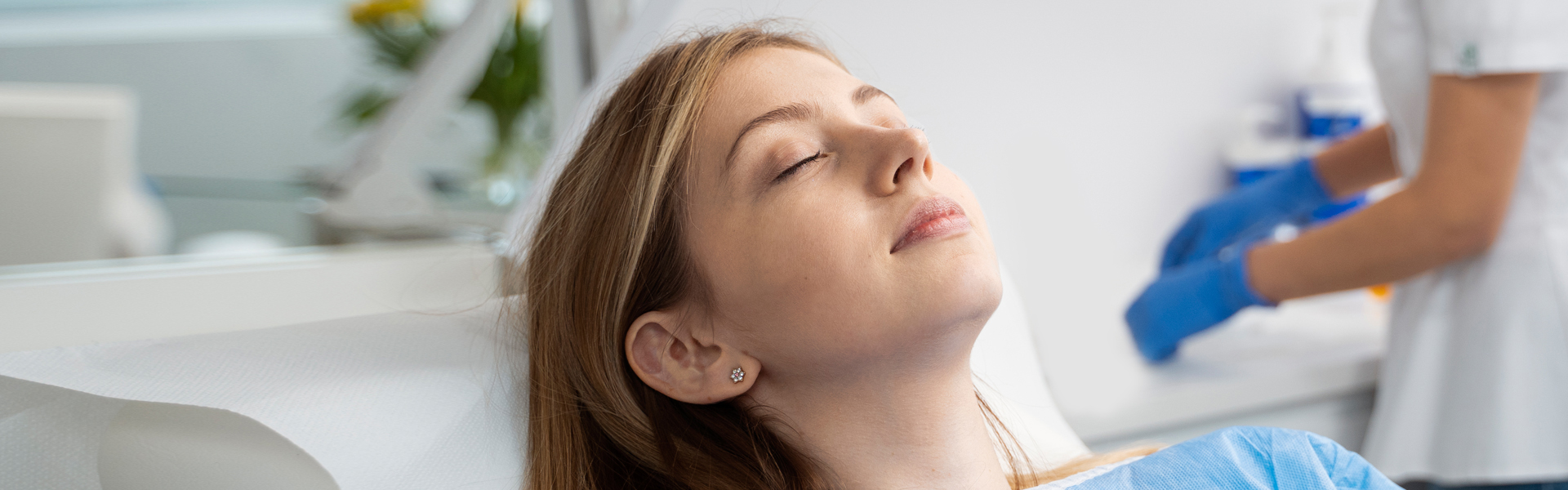
A sleep and breathing screening is an initial assessment of symptoms and risk factors associated with sleep-related breathing disorders, including OSA.
Dentists can help recognize potential concerns because dental examinations provide an opportunity to evaluate the mouth, jaw, and related structures. An airway screening dentist may review your sleep concerns, relevant health history, and oral or craniofacial features.
If the findings suggest an increased risk of OSA or another sleep-related breathing concern, we can discuss whether further medical evaluation should be considered.
Who May Benefit From a Screening?
You may consider a screening if:
- Your sleep partner has noticed loud snoring or changes in your breathing
- You regularly wake feeling tired despite getting enough sleep
- Daytime sleepiness affects your usual activities
- You often breathe through your mouth during sleep.
- You have been advised to investigate a possible sleep-related breathing concern
Common Signs of Sleep-Related Breathing Problems
Nighttime signs may include:
- Frequent or loud snoring
- Breathing that appears to stop and restart
- Gasping or choking during sleep
- Restless or disrupted sleep
- Repeated waking during the night
Morning or daytime concerns may include:
- Excessive daytime sleepiness
- Persistent fatigue
- Difficulty concentrating
- Morning headaches
- Dry mouth upon waking
- Feeling unrefreshed after sleep
Not everyone with these symptoms has OSA, and symptoms can vary from person to person.
If you are searching for a sleep apnea screening near me, an initial evaluation can help identify relevant symptoms and risk factors but cannot diagnose OSA or determine its severity.
What Happens During the Screening?
Step 1: Discuss Your Sleep and Breathing Concerns
We ask about concerns such as snoring, daytime sleepiness, nighttime gasping, breathing pauses, mouth breathing, and changes in sleep quality.
Step 2: Review Your Health History
We review relevant medical and dental history, including any previous sleep evaluation, diagnosis, testing, or treatment.
Step 3: Examine Relevant Oral Structures
We may examine the tongue, palate, tonsils, jaw relationship, and other oral or craniofacial features that may be relevant when assessing OSA risk.
Step 4: Discuss the Findings
We explain what we observed and whether the findings suggest that further evaluation may be appropriate.
Step 5: Discuss the Next Step
If the screening identifies possible OSA risk, we may recommend evaluation by a physician or sleep specialist, who can determine whether diagnostic sleep testing is needed.
Next Steps After Your Screening
When screening identifies possible OSA risk, further evaluation may include consultation with a physician or sleep specialist and diagnostic sleep testing when clinically appropriate.
A dental screening does not establish an OSA diagnosis or determine its severity.
For patients diagnosed with OSA, treatment depends on the recommendations of the treating medical provider. When oral appliance therapy is prescribed, a qualified dentist can evaluate dental suitability, provide an appropriate custom appliance, and monitor dental-related treatment needs.
Why Choose Main Dentistry for Your Screening?
Sleep-Focused Training
Dr. Sujata Basawaraj has 25+ years of dental experience and has pursued additional education related to snoring, sleep apnea, TMJ, and TMD.
Individualized Screening
We consider your symptoms, relevant health and dental history, oral findings, and any previous sleep evaluation rather than relying on one symptom alone.
Coordinated Care
Our role in dental sleep medicine includes recognizing possible risk factors, explaining screening findings, and helping patients understand when medical evaluation may be appropriate.
Convenient Local Care
Patients can discuss sleep and breathing concerns as part of their dental care and receive guidance about appropriate next steps when further evaluation is indicated.
Sleep and Breathing Screening Near Frisco, Plano, Lewisville, and Carrollton, TX
We welcome patients from The Colony and nearby communities, including Frisco, Plano, Lewisville, Carrollton, Little Elm, Coppell, Hebron, Castle Hills, Indian Creek, Prestonwood, and Tribute.
If you have concerns about snoring, nighttime breathing changes, mouth breathing, or daytime tiredness, a dental screening can provide a starting point for discussing your symptoms and determining whether additional medical evaluation should be considered.
Schedule Your Sleep and Breathing Screening
You do not have to determine on your own whether snoring, mouth breathing, daytime tiredness, or other nighttime changes may require further attention.
Schedule a sleep screening appointment at Main Dentistry to discuss your symptoms, relevant oral findings, and possible next steps with our dental team.
Frequently Asked Questions
No. Dentists can screen for OSA risk factors, while diagnosis requires appropriate medical evaluation and testing.
We review relevant symptoms, health history, and oral or craniofacial features that may be associated with OSA risk.
No. Snoring can occur without OSA, although frequent loud snoring with breathing pauses or gasping may warrant further evaluation.
We may recommend evaluation by a physician or sleep specialist for further assessment and, when appropriate, diagnostic testing.
Not necessarily. A physician or sleep specialist can determine whether sleep testing is appropriate.
When oral appliance therapy is prescribed for diagnosed OSA, a qualified dentist can evaluate dental suitability and provide and monitor an appropriate custom appliance.
Meet Dr. Sujata Basawaraj – Your Dentist in The Colony, TX
Dr. Sujata Basawaraj, BDS, DMD, MICOI, has 25+ years of dental experience and earned her DMD from Case Western Reserve University. Her continuing education includes training related to snoring, sleep apnea, TMJ, and TMD. This background supports her approach to evaluating oral factors that may be relevant to sleep and breathing concerns.
OFFER: FREE upper and lower whitening and retainers with Clear Aligners $1,500 value. Remote monitoring included to reduce office visits during your treatment.