

What Is SMART Amalgam Removal and Why Is It Important?
Many people researching old silver fillings eventually come across the question, What is SMART Amalgam Removal, and why do some dentists recommend it? Traditional amalgam fillings contain several metals, including mercury, and concerns about mercury exposure during removal have led to safer treatment protocols in modern dentistry.
SMART stands for Safe Mercury Amalgam Removal Technique. Developed by the International Academy of Oral Medicine and Toxicology (IAOMT), this protocol uses additional protective measures during the removal of amalgam fillings to lower exposure to mercury particles and vapor.
People interested in more preventive, minimally invasive dental care often explore practices offering biological dentistry in Colony, TX, especially when discussing mercury-safe treatment options and restorative care.
Understanding Amalgam Fillings
Amalgam fillings, commonly called silver fillings, have been used in dentistry for decades because of their durability and strength. These restorations are made from a combination of metals, including silver, copper, tin, and mercury.
Mercury helps stabilize the filling material and improves its longevity. Although dental amalgam is still considered an approved restorative material, some individuals choose replacement because of worn fillings, cracks, leakage, or personal concerns about mercury exposure.
Dentists usually evaluate:
- The condition of the filling
- Signs of decay around the restoration
- Cracks in the tooth structure
- Bite pressure and wear patterns
- Tooth sensitivity or discomfort
Clinical Insight:
Not every amalgam filling requires removal. Replacing healthy restorations without a clinical reason may remove unnecessary tooth structure.
How SMART Amalgam Removal Works
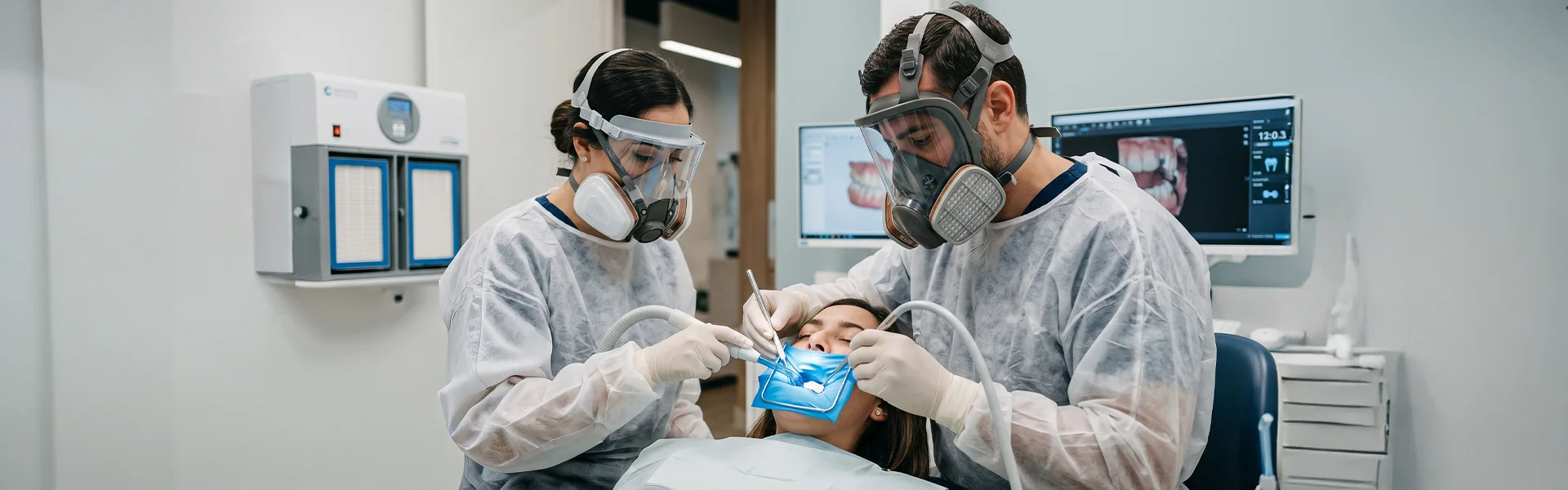
Traditional filling removal methods may release small mercury particles into the air during drilling. SMART protocols include several additional safety measures intended to limit exposure during treatment.
These protective steps may include:
- High-volume suction systems
- Rubber dams to isolate the tooth
- Air filtration units
- Continuous water spray
- Protective coverings for the patient
- Specialized masks and shields
- Protective equipment for the dental team
Instead of aggressively grinding the filling away, dentists often section the material into larger pieces. This approach may reduce the amount of mercury particles released during filling removal.
Why Some Patients Choose SMART Removal
People choose SMART amalgam removal for different reasons. Some have damaged fillings that already need replacement, while others prefer tooth-colored restorative materials.
Many individuals also appreciate the additional precautions used throughout the procedure. Practices associated with biological dentistry in Colony, TX often emphasize conservative care, patient education, and biocompatible treatment planning whenever possible.
SMART protocols are designed to improve procedural safety during amalgam removal. They should not be considered a treatment or cure for non-dental medical conditions.
Who May Be a Candidate for SMART Removal?
SMART amalgam removal may be considered for people who:
- Have cracked or leaking silver fillings
- Need replacement restorations because of decay
- Prefer metal-free filling materials
- Want additional safety precautions during removal
- Have concerns about mercury exposure
Every situation is different. In some cases, keeping an existing filling may be more appropriate than replacing it unnecessarily.
Dentist Tip:
Large fillings may help support teeth that have already lost significant structure from previous decay. Removing them without careful planning may increase the risk of fractures later.
What Happens During the Procedure?
Before treatment begins, the dental team carefully prepares the area to lower airborne mercury particles during filling removal.
Protective coverings and filtered airflow systems may be used throughout the procedure. Dentists also rely on strong suction systems, water spray, and rubber dams to improve safety conditions while removing the filling material.
Rather than completely grinding down the restoration, dentists may remove the filling in larger sections to reduce unnecessary drilling.
Once the amalgam is removed, the tooth is usually restored using composite resin, ceramic, or another tooth-colored material.
Someone searching online for a dentist near me is often looking for a provider who explains treatment options clearly and discusses both benefits and risks before beginning any procedure.
Are There Risks Associated With SMART Amalgam Removal?
Like any dental procedure, amalgam removal involves certain risks and treatment considerations.
Possible temporary side effects may include:
- Tooth sensitivity
- Mild gum irritation
- Jaw soreness
- Temporary discomfort near the treated tooth
Even with protective measures, small amounts of mercury particles may still be released during removal. SMART protocols focus on minimizing exposure as much as reasonably possible throughout the procedure.
Clinical Insight:
Individuals with kidney disease, autoimmune disorders, metal sensitivities, or complex medical histories should discuss their health concerns with the dentist before treatment.
The Role of Biological Dentistry
Biological dentistry focuses on preventive care, conservative treatment planning, and the use of biocompatible materials whenever appropriate.
This approach may include:
- Mercury-safe filling removal
- Tooth-colored restorations
- Preventive gum care
- Airway-focused dentistry
- Minimally invasive treatment methods
At Main Dentistry, treatment recommendations are based on each patient’s oral health condition, symptoms, and long-term goals.
Other Services That Support Long-Term Oral Health
People considering SMART amalgam removal may also benefit from additional restorative or preventive services depending on their dental needs.
Commonly recommended treatments may include:
- Dental implants for missing teeth
- Invisalign for orthodontic alignment
- Cosmetic veneers for smile enhancement
- TMJ treatment for jaw discomfort
- Sleep apnea treatment for airway support and nighttime breathing concerns
Personalized treatment planning allows dentists to improve oral function, comfort, and smile appearance while preserving healthy tooth structure whenever possible.
Frequently Asked Questions About SMART Amalgam Removal
SMART stands for Safe Mercury Amalgam Removal Technique. It is a protocol designed to reduce mercury exposure during the removal of silver fillings.
No. Many amalgam fillings remain stable for years. Dentists usually recommend replacement only when fillings are damaged, leaking, fractured, or decayed.
Dental amalgam is still recognized as an approved restorative material. However, some people prefer alternative materials because of personal concerns or changes in their oral health.
No procedure can guarantee zero exposure. SMART protocols are intended to minimize mercury particles and vapors as much as reasonably possible during treatment.
Composite resin, ceramic, porcelain, and other tooth-colored materials are commonly used after amalgam removal.
Treatment time depends on the number and size of the fillings being replaced. Some people complete treatment in one visit, while others may require multiple appointments.
Making Informed Decisions About Dental Care
Understanding what SMART Amalgam Removal is allows people to make more informed decisions about restorative treatment and long-term oral health. SMART protocols focus on lowering unnecessary mercury exposure while improving safety during the filling removal process.
Individuals interested in preventive treatment approaches often research providers offering biological dentistry in Colony, TX, because these practices typically emphasize minimally invasive care, patient education, and evidence-based safety measures.
Clear communication with the dental team helps people better understand available treatment options, potential risks, and long-term recommendations before deciding whether amalgam replacement is appropriate.

Meet Dr. Sujata Basawaraj
Dr. Sujata Basawaraj is a highly experienced cosmetic dentist with more than 20 years of expertise in advanced dental care and smile design. She earned her DMD degree from Case Western Reserve University and holds certifications in Invisalign, dental implants, Digital Smile Design, and cosmetic veneers. Dr. Basawaraj is also an international speaker and educator in cosmetic dentistry. She remains committed to patient-focused, evidence-based dental care.